
What is Medical astrology?
So you may be sitting, asking yourself… What the **** is medical astrology?
Great question! As a devoted astrology lover for almost 10 years, I only discovered medical astrology three years ago (in 2023), and I have been deepening my understanding of it ever since.
Medical astrology, at its core, is a tool for homeostasis. With roots stretching back thousands of years to when doctors believed that the macrocosm (the universe) was directly reflected in the microcosm (the human body).
Although we use astrology today as the subject of many a hilarious meme, or a practice of introspection around the full and new moon, astrology has always been so much more than that.
Medical astrology was (and still is) a symbolic system that explores health through the 12 zodiac signs, the planets, their placements in the natal chart and the correspondence they have to different parts of the body, physiological processes, and constitutional tendencies.
Think of it like this: Each of the 12 zodiac signs is connected to a particular body part/organ system, and each planet rules the function of a particular organ system. For example, Cancer rules the stomach, and the moon rules the function of the stomach, because the moon rules Cancer.
As we layer in more information through the consideration of the modalities, elements, dignities, aspects and the law of referred influence, an intricate story of the body's health blueprint begins to make itself known.
It’s a complicated system, and understandably so! Medical astrology is an ancient technical art that has evolved over thousands of years. Its roots stretch back to some of the earliest civilisations who looked to the sky and asked questions about life, illness and fate.
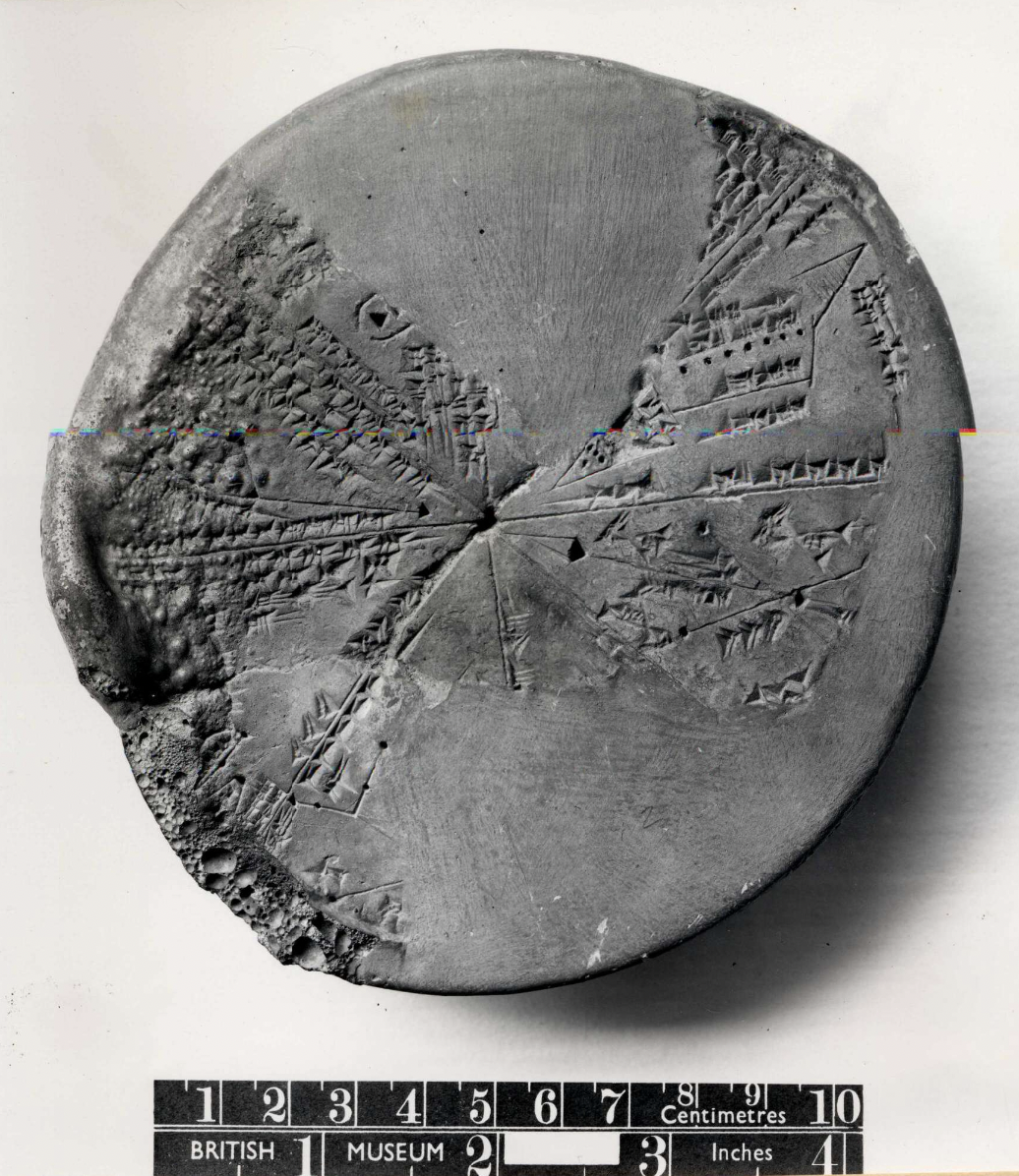
© The Trustees of the British Museum. Shared under a Creative Commons Attribution-NonCommercial-ShareAlike 4.0 International (CC BY-NC-SA 4.0) licence.
The Roots of Medical Astrology:
Although we can never pinpoint an exact origin, there is strong historical evidence that astrology began in Mesopotamia around 1800 BCE, during the Old Babylonian period. Cuneiform tablets such as the Enuma Anu Enlil (compiled around 1000 BCE, based on much older material) recorded thousands of celestial omens, including eclipses and planetary movements.
Astrology, as we know it today, is used on a psychological level. However, in its earliest form, it was observational and predictive, used to forecast collective events such as wars, harvests, floods and the rise and fall of kings.
It was later refined by the ancient Greeks, who blended Babylonian celestial observation with Egyptian cosmology and early natural medicine. This is where astrology began to formalise into the system we recognise today.
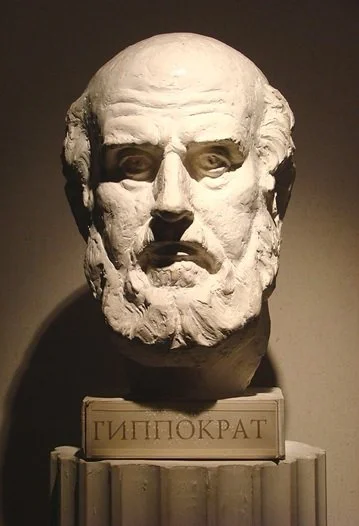
Around 460 BCE, Hippocrates, often called the father of medicine, taught that doctors must understand the ‘seasons and the stars’ to predict how a disease will progress. Often emphasising the importance of understanding seasonal and environmental influences on disease.
By the 2nd century CE, Claudius Ptolemy published The Tetrabiblos. A foundational text in the history of astrology. This was the ‘Bible’ of astrology. In it, he described the planets as having elemental qualities such as hot, cold, moist, and dry, linking them to temperament and physical constitution.
The Tetrabiblos became deeply integrated into medical practice used for the next 1500 years. With Astrology woven into university medical training across parts of Europe, Africa, Asia and the Islamic world, often used to determine critical days of illness or the most favourable timing for treatments.
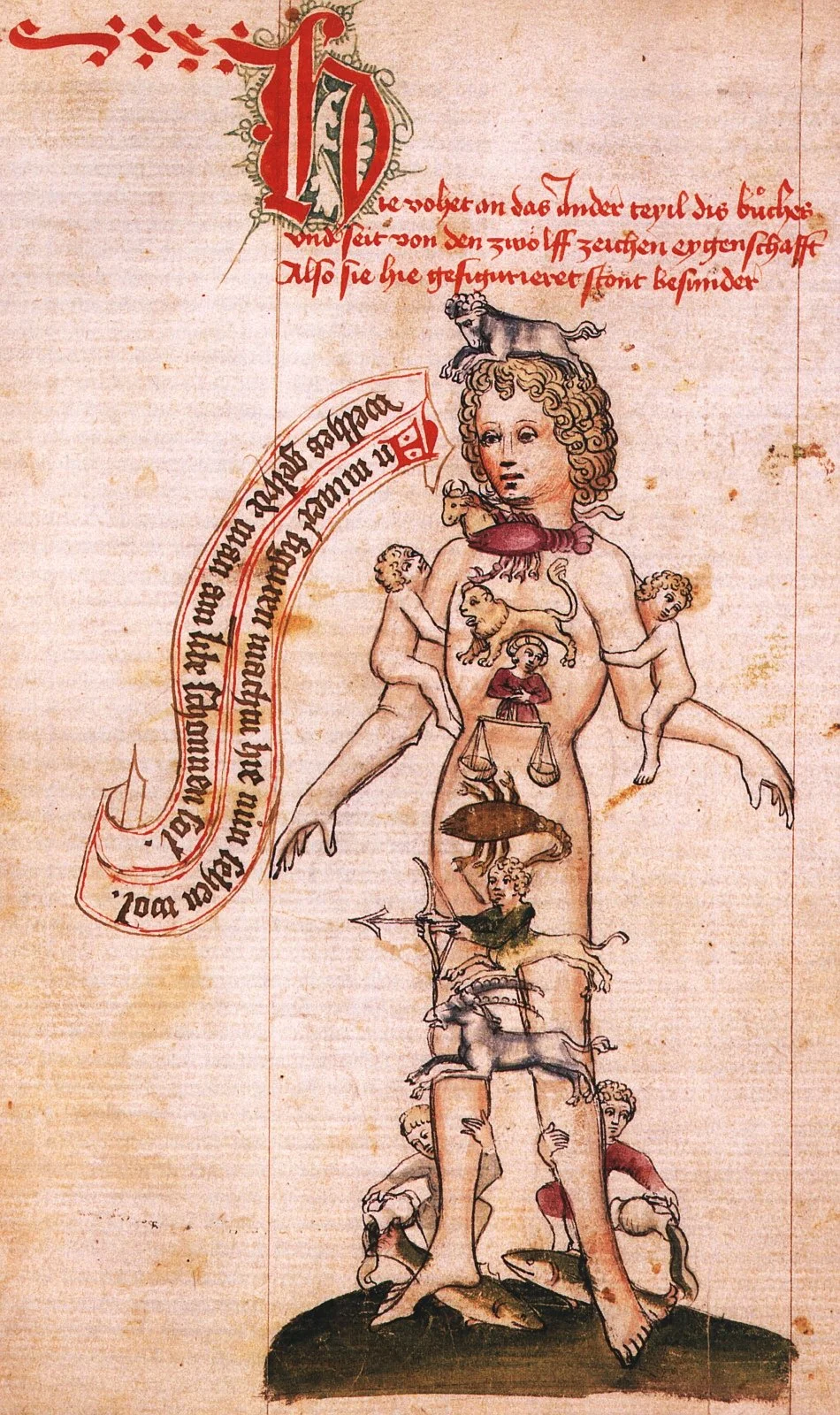
It wasn’t until the Middle Ages, that the emergence of the Homo Signorum, ‘the zodiac man’ became widespread. This was a diagram showing which astrological signs governed which parts of the body, starting with the head (Aries) and extending to the toes (Pisces).
Astrology remained a part mainstream medicine until the 1700s; some would say it was in its golden age at that time. But with the emergence of scientific rationalism, germ theory and increasing pressure from the catholic church, which often grouped astrologers in with sorcerers and diviners, practitioners were routinely tried for heresy, many of whom shared the same fate as ‘witches’ of the time.
Although it never truly went away, in the 1930s-1970s, with the help of Carl Jung, astrology reemerged in a new way. This time through a symbolic and psychiatric lens.
Jung famously used birth charts with his patients to understand their ‘archetypes,’ moving astrology from “What will happen?” (Horoscopes or predictive astrology) to “Who am I?"
(Natal astrology).
Medical Astrology in the Modern World:
So what is the role of medical astrology today?
While no longer necessary or applicable for treating acute illness or for clinical diagnosis, some historical applications of medical astrology still hold true: the search for homeostasis.
There is a growing desire for healthcare approaches that honour the individual rather than offering one-size-fits-all solutions. Medical astrology and natal chart health analysis provide a framework for exploring your unique energetic blueprint; your temperament, vulnerabilities, strengths and cyclical patterns
Honouring your humanness instead of trying to turn you into a machine with separate parts.
In a world of 8 billion and counting, we feel more alone and disconnected than ever before. Many of us have lost our sense of collective and individual purpose; we are facing a multitude of personal and existential crises that threaten our very existence. From a chronic disease epidemic, a loneliness epidemic, ‘burnout’ and a collective crisis of faith. We are lost at sea, drowning in the stressful demands of modern life.
Many astrologers also suggest we are transitioning into what is known as the ‘Age of Aquarius’. A symbolic era (based on the procession of the equinox that is associated with innovation, collective awareness and alternative systems of knowledge. Whether taken literally or metaphorically, it reflects a cultural shift toward integrative and holistic perspectives.

Pluto’s recent movements into Aquarius have also been interpreted astrologically as a period of collective transformation. A composting of outdated systems and a reimagining of how we care for ourselves and one another.
Regardless of cosmic timing, what feels clear is this: people are seeking alignment, and it has never felt more urgent. Medical astrology does not replace modern healthcare. Rather, it complements it. By weaving together every part of life, it offers a symbolic, archetypal map for understanding how you operate as a multidimensional being.
Ready to explore the application of medical astrology in your own life?
Click here to find out how we can work together.
